Higher Initial Cost…. Higher Initial Pollution due to the construction of the battery which uses Lithium, a Rare Earth chemical…. Higher pollution from brake dust and tire wear due to massively heavier weight…
PLUS!…An electric vehicle battery must be replaced in an accident because it could be damaged and could or might catch on fire if it is re-used so it has to be scrapped and completely replaced. Cost? Up to $15,000.00 according to Consumer Reports. The majority of electric car batteries are made with rare earth metals, such as lithium, manganese and cobalt. These metals aren’t commonly available worldwide and are therefore subject to price fluctuations based on supply and demand. Upward swings in the prices of these materials will translate to a more expensive battery part cost. Here’s a photo of 2022 GMC Hummer EV battery that has pockets for lifting by a forklift! 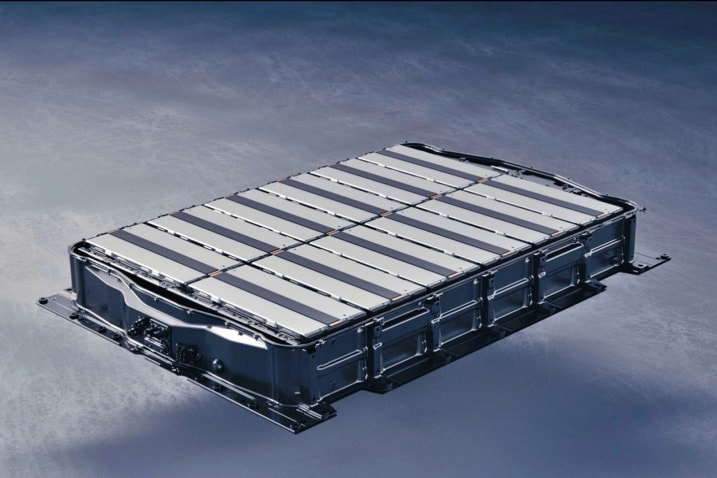
How heavy is the Hummer EV battery?
2,818 pounds!!!!! That’s 1 1/2 tons!!!
There are 139 individual stamped steel components that are held together by more than 3,500 laser projected and spot welds. It is important to note that almost every other automaker has opted to build EV battery cradles out of aluminum in an effort to reduce mass. The amount of machine work and welding that goes into a Hummer battery pack was also quite shocking to the Munro team…..
According to test data filed by GM with the Environmental Protection Agency — which was first spotted by Car & Driver — the GMC Hummer EV clocks in at an eye-watering 9,063 lbs. That’s several pounds heavier than the 9,046 lbs first reported last summer by enthusiast site GM Trucks.
But that wasn’t the number that really floored me. The one that really singed my corneas was 2,923 lbs, which is the total weight of the Hummer EV’s battery. That’s heavier than a whole ass Honda Civic, bulkier than a Subaru BRZ, flabbier than a Ford Fiesta. That’s a snack and a half…..
All vehicles produce non-exhaust emissions from a variety of sources, including rubber tires, road dust, and brakes. This is especially true for electric vehicles, thanks to the added weight from their batteries.
According to the Organization for Economic Cooperation and Development (emphasis mine):
Regenerative braking systems can reduce brake wear, but tyre wear, road wear, and road dust resuspension remain significant sources of non-exhaust emissions from electric vehicles. Non-exhaust emissions from these sources can in fact be higher for electric vehicles than for their conventional counterparts, as the heavy batteries in electric vehicles imply that they typically weigh more than similar conventional vehicles. This is particularly the case for electric vehicles with greater autonomy (driving range) that require larger battery packs.
GM isn’t the only offender here. While Ford’s upcoming F-150 Lightning is roughly the same size as its fossil fuel-powered equivalent, it weighs 6,500 pounds — or over 35 percent more than the gas engine version. That’s in large part thanks to the 1,800-pound battery resting immovably in the floor of the truck…
Views: 9